
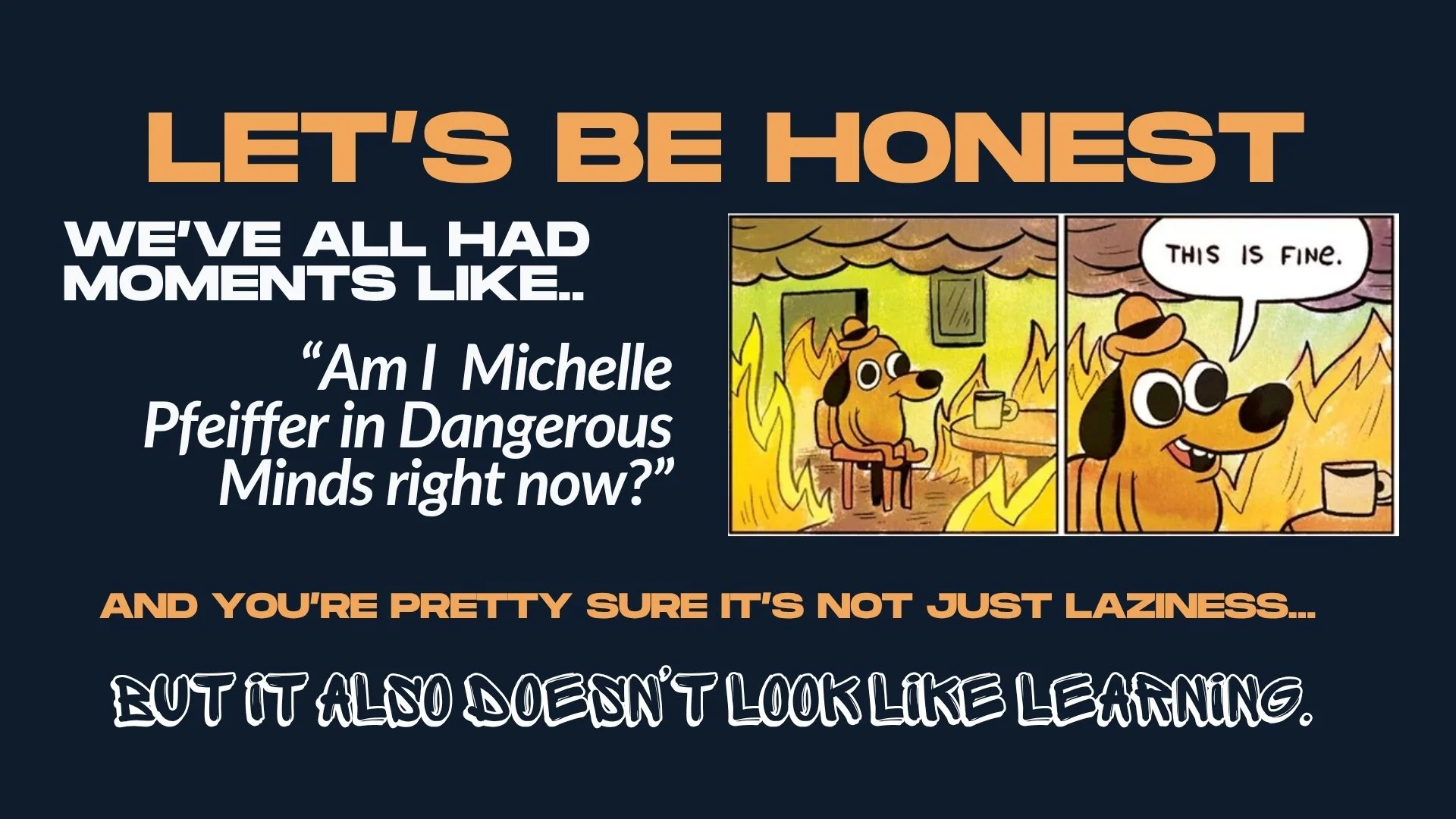
Beyond Compliance: Reducing Conflict with At-Risk Youth
Behavior may look oppositional from the outside, but underneath there may be anxiety, executive-function overload, trauma response, sensory needs, shame, disconnection, or a skill that has not yet been developed.
Burnout Does not Begin with Exhaustion.
Burnout is often a systems signal.
Systems that reduce cognitive load do not just support well-being. They proactively protect judgment, relationships, leadership capacity, and long-term outcomes.
The Science of Sustainable Change
Across public systems, rising burnout, attrition, and implementation failure are often treated as individual performance problems: issues of resilience, mindset, or engagement. In reality, these outcomes are predictable consequences of system design. When policies, structures, and change initiatives exceed human capacity, systems do not fail immediately; they continue to function by relying on overwork, informal labor, and a shrinking group of high performers. This creates the appearance of stability while increasing long-term risk.
What if Burnout also Changes Perception?
PRL explores how stress, regulation, perception, interpretation, and classroom response interact as a feedback system. Burnout does not simply reduce how much educators can do; it can also shape how they see what is happening.

When There are No Teachers…
A brain-smart, humorous field guide for parents, teachers, and caregivers navigating learning disruptions with practical strategies for focus, motivation, executive function, regulation, and kitchen-table learning.
Big Brain Dorsey
Sometimes the greatest spark to keep learning doesn’t come from books or courses, but from the people you get to work alongside.